
Salt & Blood Pressure Albuquerque: What Sodium Sensitivity Really Means
June 19, 2026
A patient in Northeast Albuquerque dutifully cut her salt intake for six months, followed the DASH diet to the letter, and watched her blood pressure barely budge. Her cardiologist was puzzled. The problem was not her willpower. The problem was that her high blood pressure was not primarily a sodium story. It was a potassium and magnesium story. Understanding that difference is exactly why ayurvedic treatment for high blood pressure in Albuquerque, at its best, starts with a root-cause mineral workup rather than a one-size-fits-all diet prescription.
In this post, Dr. Pranav Lad of Healing Arts of Veda breaks down why sodium sensitivity varies from person to person, how the renin-angiotensin-aldosterone system controls fluid retention, and why potassium and magnesium are the often-overlooked partners in blood pressure regulation.
Salt Restriction Works, But Only for Sodium-Sensitive People
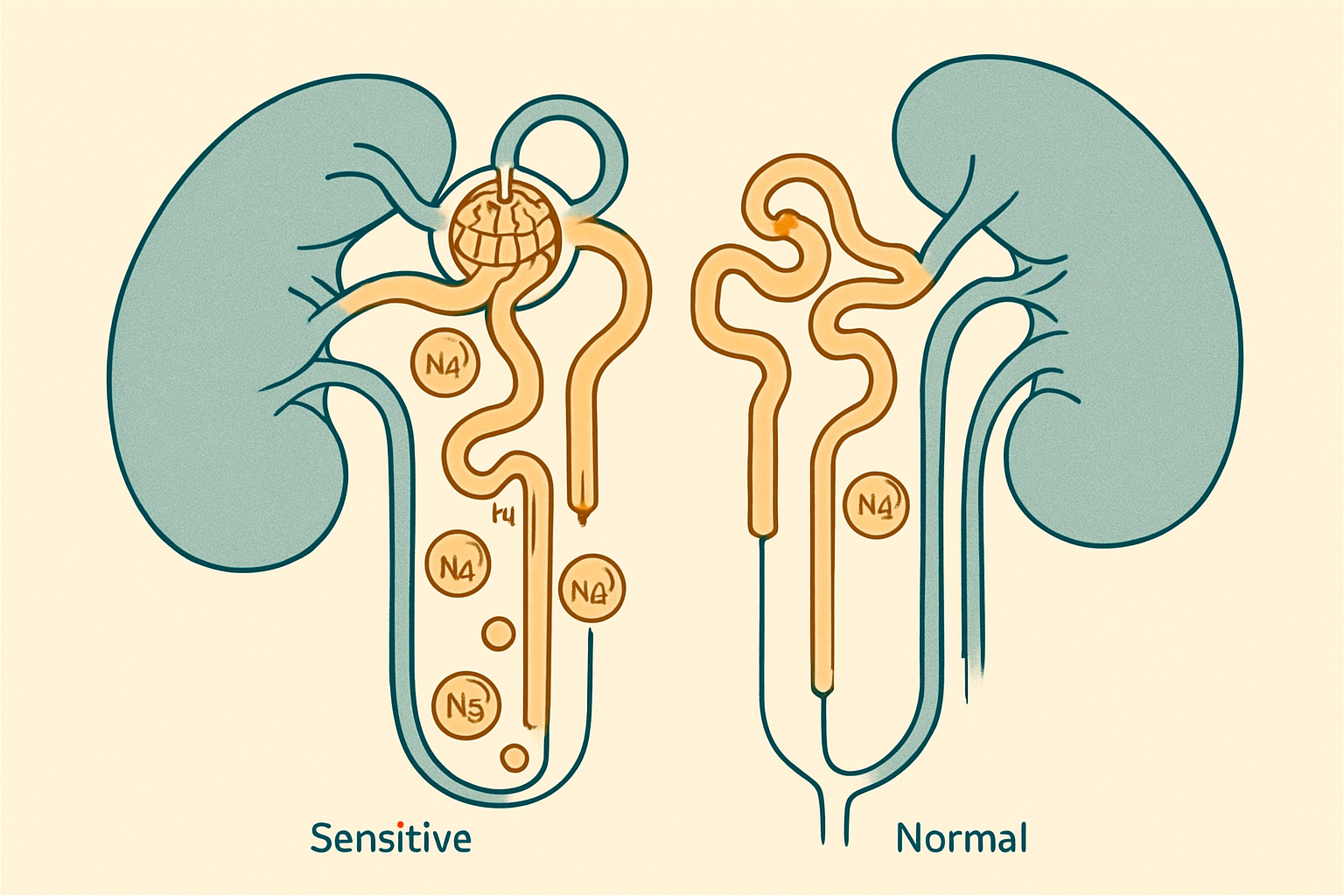
The DASH diet (Dietary Approaches to Stopping Hypertension), developed with support from the NIH National Heart, Lung, and Blood Institute, is one of the most studied eating patterns for cardiovascular health. It genuinely helps a subset of people with hypertension. That subset is sodium-sensitive individuals, meaning roughly 25 to 50 percent of people with high blood pressure.
In a sodium-sensitive person, dietary sodium is not cleared from the body at a normal rate. A healthy kidney excretes about half of ingested sodium within 24 hours. When that clearance slows, sodium accumulates in the interstitial fluid, the fluid surrounding your cells. Sodium draws water with it. More fluid pressing against blood vessel walls means higher lateral pressure, which is the definition of elevated blood pressure.
For people whose hypertension stems from a different mechanism, aggressive sodium restriction may feel punishing while delivering minimal benefit. That is a key reason to identify your mechanism before prescribing a diet.
The Renin-Angiotensin-Aldosterone Axis and Why It Matters
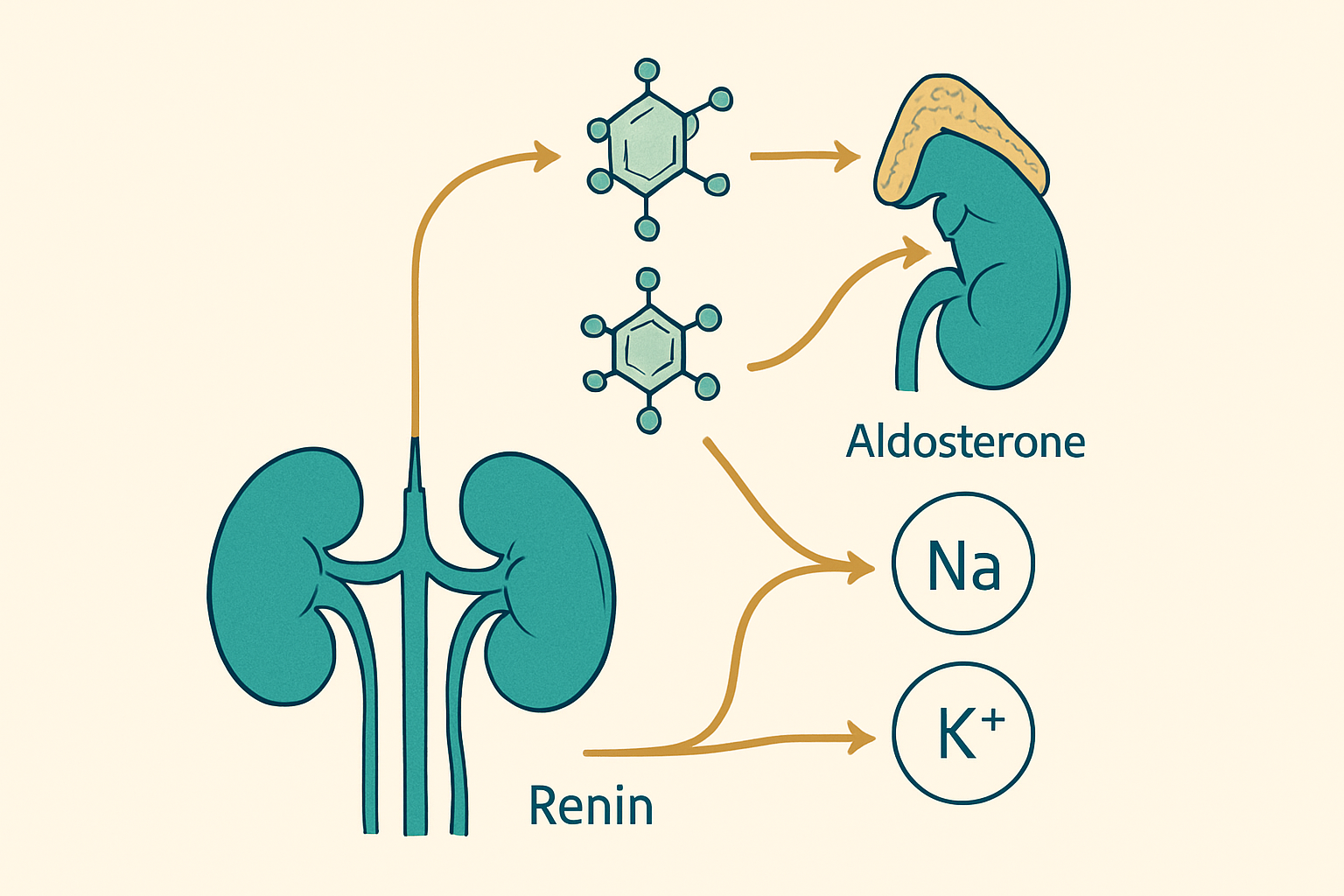
Sodium sensitivity is not random. It is largely governed by a hormonal cascade: renin triggers angiotensin, which triggers aldosterone release from the adrenal glands. Aldosterone’s job is to tell the kidneys to hold onto sodium and excrete potassium. When aldosterone activity is elevated, sodium retention compounds, and blood pressure rises.
Research published on PubMed examining the sodium-potassium ratio supports what Dr. Lad emphasizes in clinical practice: it is not sodium alone that determines blood pressure response. The ratio of sodium to potassium is the more accurate predictor. For every three sodium ions the body manages, two potassium ions are involved in the exchange. Tip that ratio in the wrong direction and the system struggles to maintain normal pressure.
Magnesium is the third piece. Low magnesium directly causes potassium to drop, because the enzyme systems that keep potassium inside cells are magnesium dependent. Depleted magnesium leads to depleted potassium, which then stimulates sodium chloride co-transport in the kidneys, causing even more sodium retention. The spiral compounds quickly.
How Dr. Lad Approaches Natural Hypertension Treatment in Albuquerque
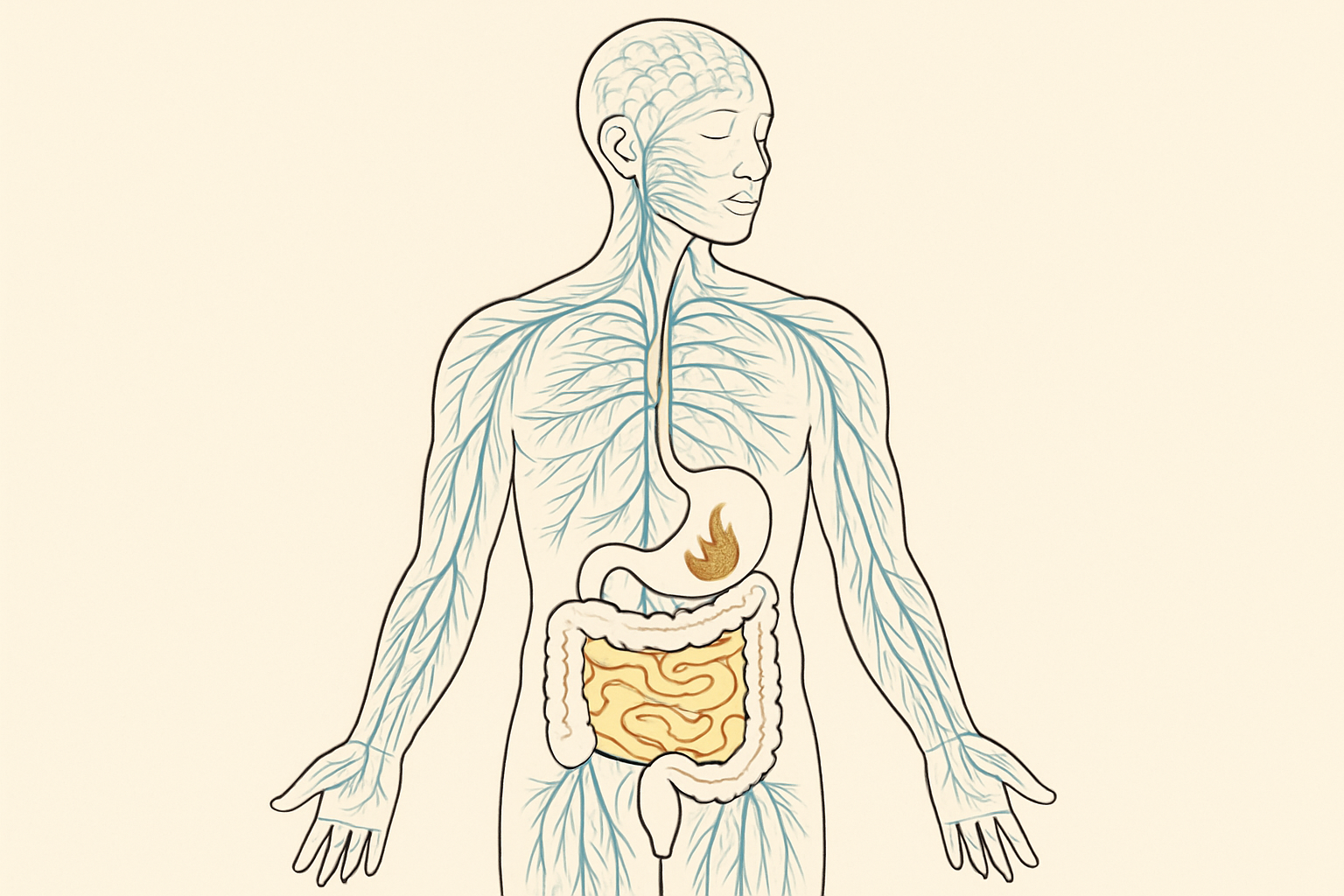
At Healing Arts of Veda, Dr. Pranav Lad combines Ayurvedic assessment with naturopathic functional testing. In Ayurveda, hypertension often involves aggravated Vata (the biological force governing movement and nervous-system activity) disrupting Srotas (the body’s channel systems) and straining Agni (the metabolic fire responsible for processing nutrients efficiently). That framework leads clinicians to ask different questions than a standard office visit allows.
A first appointment includes evaluation of your prakriti (constitutional type), digestive strength, and stress load alongside a review of your existing labs. If mineral panels have not been run, Dr. Lad will recommend them, because potassium and magnesium status cannot be reliably estimated from diet recall alone. This kind of workup pairs naturally with metabolic syndrome care in Albuquerque, since insulin resistance and blood pressure dysregulation frequently travel together.
Initial appointments are 60 minutes and priced at $199. Follow-up visits are 30 minutes at $120. Herbs and supplements are separate. Healing Arts of Veda does not bill insurance, so costs are transparent from the start.
Practical Mineral and Diet Steps Worth Taking Now
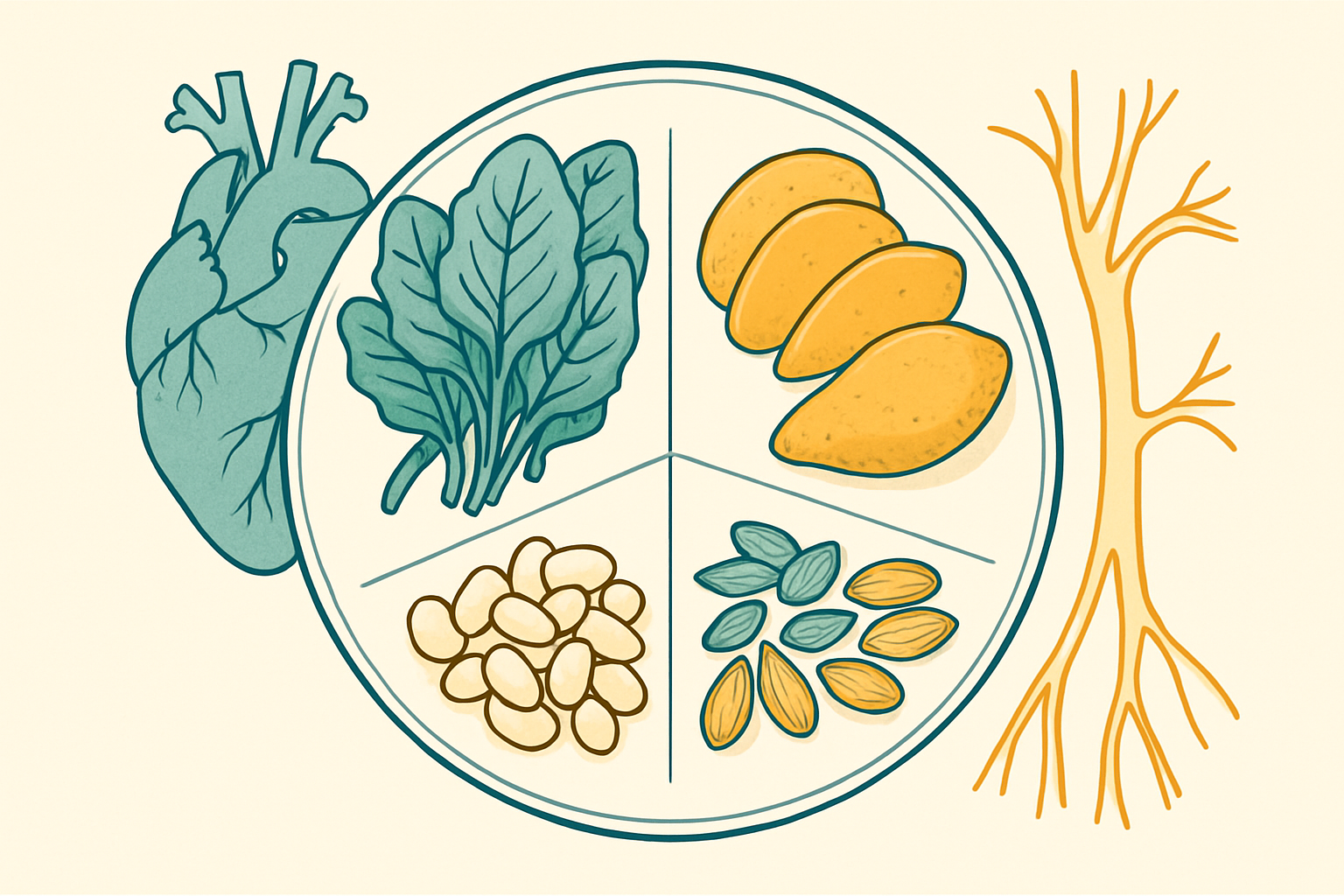
The most actionable starting point is shifting dietary focus from “less salt” to “more potassium and magnesium.” Potassium-rich foods include cooked leafy greens, sweet potatoes, white beans, and avocado. Magnesium is found in pumpkin seeds, black beans, almonds, and dark leafy vegetables. These foods also appear prominently in DASH and Mediterranean eating patterns, which is part of why those diets work even beyond their sodium-reduction effect.
From an Ayurvedic lens, dinacharya (a structured daily routine) plays a direct role in blood pressure regulation by reducing the chronic Vata aggravation that keeps the nervous system in a low-grade fight-or-flight state. Consistent sleep timing, gentle morning movement, and warm meals at regular intervals all reduce the physiological demand on the cardiovascular system. You can read more about the connection between daily rhythm and metabolic health in our post on Ayurvedic approaches to metabolic syndrome.
When Ayurvedic Care Fits and When It Does Not
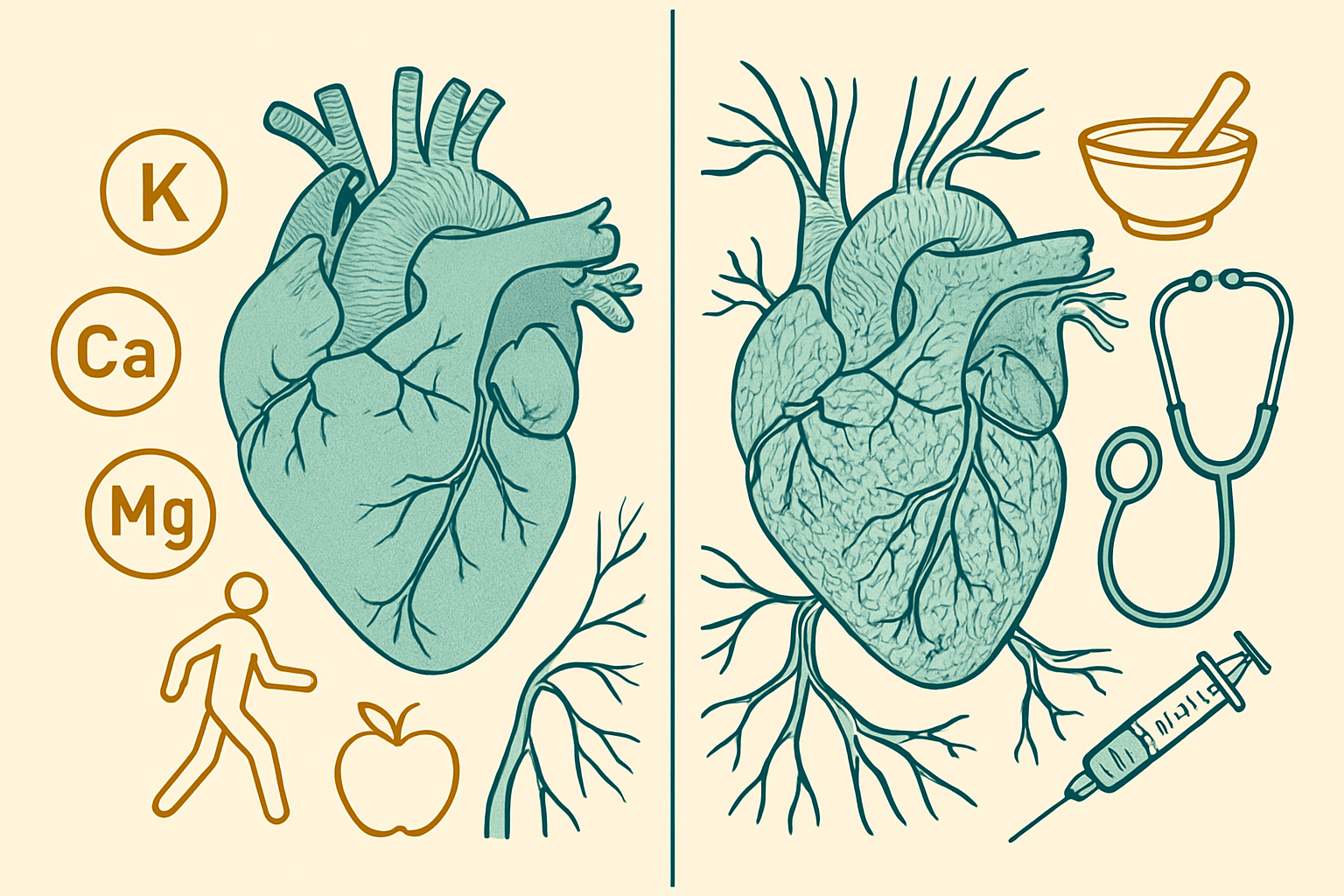
Ayurvedic and naturopathic care for blood pressure is most appropriate when hypertension is mild to moderate, when a patient wants to understand the root cause before defaulting to lifelong medication, or when medication is already managing acute risk and the patient wants to address underlying mineral and lifestyle factors. Our Ayurvedic and naturopathic services are designed to complement the work of your cardiologist or primary care physician, not compete with it. Dr. Lad will coordinate with your existing medical team and will always defer to emergency or acute care needs.
This approach is not appropriate as a replacement for medication in severe or rapidly worsening hypertension, hypertensive crisis, or cases involving end-organ damage. If your blood pressure readings are consistently above 160/100 or you have symptoms like severe headache, vision changes, or chest pain, please contact your physician or go to an emergency room immediately.
Frequently Asked Questions
Q: Does cutting salt actually lower blood pressure for everyone? No. Salt restriction works best for people who are sodium sensitive, meaning their kidneys retain sodium more than average. For others, restricting sodium without addressing potassium and magnesium levels may produce little measurable change in blood pressure.
Q: What is sodium sensitive hypertension and how do I know if I have it? Sodium sensitive hypertension means your blood pressure rises more than expected when you consume sodium. It involves the renin-angiotensin-aldosterone system. A functional workup including urinary electrolytes and hormone panels can help clarify whether this mechanism is driving your high blood pressure.
Q: How do potassium and magnesium affect blood pressure naturally? Potassium helps the kidneys excrete excess sodium in urine. Magnesium supports potassium retention. When magnesium is depleted, potassium drops too, which stimulates sodium chloride co-transport and causes the body to hold onto even more sodium, raising blood pressure further.
Q: Can Ayurvedic care work alongside my blood pressure medication? Yes. At Healing Arts of Veda, Dr. Lad works collaboratively with your prescribing physician. Ayurvedic and naturopathic strategies address root-cause mineral imbalances and digestion, and are designed to complement, not replace, conventional cardiovascular care.
If you are tired of generic advice that has not moved the needle on your blood pressure, Dr. Pranav Lad at Healing Arts of Veda in Albuquerque, NM, offers a thorough root-cause evaluation combining Ayurvedic assessment and naturopathic functional testing. Appointments are available in person at 10409 Montgomery Pkwy NE Suite 203 B & J, Albuquerque, NM 87111, and via Zoom for patients across New Mexico. Book Your Free 15-Minute Discovery Call today to find out whether ayurvedic treatment for high blood pressure could be the missing piece in your cardiovascular care plan.